A Practical Guide to Software Hiring in Detroit for Tech Leaders
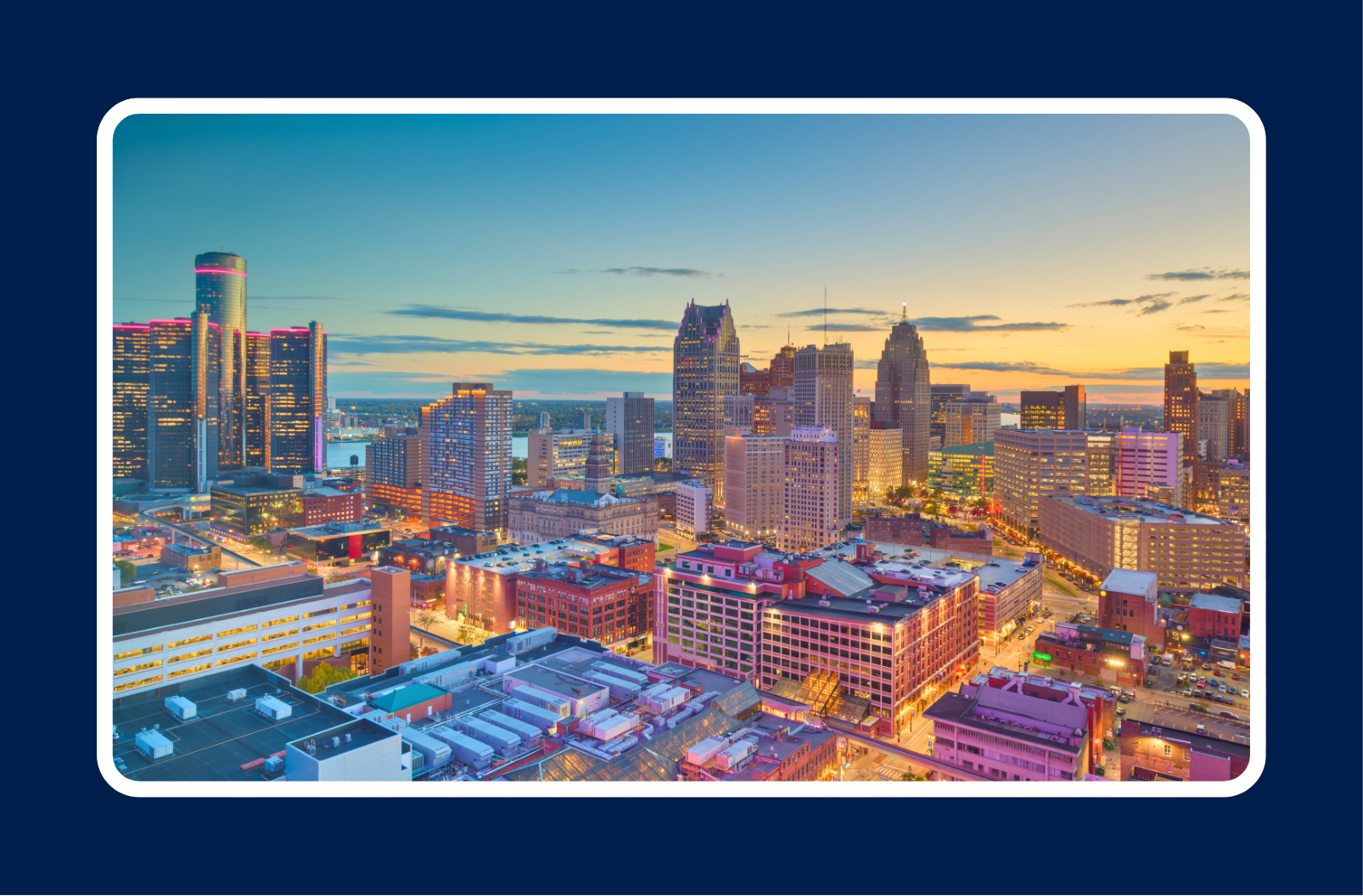
Detroit’s transformation from the historic Motor City into a modern mobility and software hub isn’t a distant narrative, it’s happening now. For tech leaders focused on talent strategy, understanding how automotive innovation intersects with software hiring in Detroit is critical. Detroit’s ecosystem now blends legacy automotive strength with emerging mobility tech and software expertise.
This convergence is reshaping how companies approach software hiring in Detroit, how technical teams are structured, and what skills are most in demand.
The Legacy Backbone Driving Software Hiring in Detroit
Detroit and the broader Michigan region remain synonymous with automobile innovation and production. The automotive and mobility industry contributes roughly $304 billion annually to Michigan’s economy and employs around 1.1 million people, about 20% of the state’s workforce.
Major original equipment manufacturers (OEMs) like General Motors, Ford, and Stellantis continue to anchor this landscape, supported by one of the densest automotive supplier networks in North America.
This deep industrial foundation is now the base layer for cutting-edge research, development, and technology integration.
What “Mobility” Means in Detroit
Where “automotive” once meant mechanical engineering and manufacturing, today “mobility” encompasses:
- Electric vehicle systems
- Autonomous / driver-assist technologies
- Connected vehicle platforms
- Advanced software and data infrastructure
- Intelligent transportation systems
Michigan leads the nation in autonomous vehicle testing infrastructure, and its regulatory environment welcomes innovation in self-driving technologies, making it a prime location for mobility experimentation and deployment.
How Software Is Becoming Central to Mobility Strategy
Software is becoming the centerpiece of automobiles. Cars today are computers on wheels. They rely on embedded systems, real-time operating systems, advanced connectivity, and cloud-enabled features. Detroit’s legacy OEMs and mobility startups alike are recruiting software engineering talent in larger numbers as a result.
At any given time, there are countless organizations focused on software hiring in Detroit.
For tech leaders, this means software skills are core to team building. Whether your team is building mobility platforms, data analytics tools, or secure cloud infrastructure for vehicles, software expertise is a non-negotiable requirement.
What This Means for Detroit Talent Demand
1. Hybrid Expertise Is Now the Norm
Detroit employers increasingly seek talent that bridges mechanical and digital domains, such as:
- Software engineers with automotive systems experience
- Data engineers supporting connected vehicle fleets
- DevOps and cloud professionals optimizing mobility services
- Systems architects for distributed automotive platforms
Advanced mobility work often spans disciplines, requiring engineers who understand both traditional embedded systems and full-stack software development. This reflects broader workforce transformation efforts, where regional organizations and workforce partners are aligning education and hiring with future mobility needs.
2. Embedded and System-Level Software Are In Fiscal Demand
Traditional automotive roles are rippling outward into digital. While mechanical engineering remains strong, employers now also seek engineers who can develop and maintain embedded vehicle software, autonomous algorithms, and AI-infused control systems.
Because embedded and mobility systems often touch safety-critical areas, employers look for software professionals with experience in:
- Real-time operating systems
- C/C++ and modern embedded tooling
- Safety standards (e.g., ISO 26262)
- Cybersecurity in automotive contexts
These skill profiles command premium compensation and strategic prioritization in hiring plans.
3. Competition for Software Talent Is Increasing
Though Detroit remains a major center for vehicle technology, national comparisons show challenges. For example, Metro Detroit currently lags behind other regions in AI-focused job availability, an indicator that broader software skill demand is growing faster elsewhere.
This means local hiring teams must not only nurture internal upskilling, but also compete with tech hubs for top software talent. Employers that position mobility and automotive software roles as high-impact, innovation-driven opportunities will attract stronger candidates.

Key Challenges in Software Hiring in Detroit
1. Balancing Legacy Skills With Digital Proficiency
Automotive companies historically recruited mechanical and electrical engineers. The pivot to software and mobility means talent maps look very different today, and traditional hiring frameworks are often inadequate.
Tech leaders must create role definitions that:
- Value cross-discipline experience
- Invite software engineers into automotive domains (with training)
- Retain mechanical experts by upskilling them for digital tasks
2. Employer Branding Matters More Than Ever
Attracting high-quality software engineers means positioning mobility roles as technology careers, not just automotive jobs. Modern candidates care about:
- Tech stack and engineering standards
- Career growth and cross-industry mobility
- Project impact and innovation potential
Detroit’s historical manufacturing brand is powerful, but it needs to be paired with a compelling narrative about innovation.
3. Flexible Work Models Are Expected
While remote and hybrid work isn’t always feasible for manufacturing floors, many software and systems engineering teams expect flexibility in when and where they work. Combining on-site collaboration traditions with flexible engineering practices will be key to competing for talent.
What Tech Leaders Should Do to Improve Software Hiring in Detroit
To succeed at this intersection of automotive, mobility, and software hiring:
1. Audit Your Skill Needs
Map roles to future mobility trends: embedded software, cloud services, data pipelines, or autonomy systems.
2. Partner With Local Talent Initiatives
Engage with workforce programs and university partners shaping future mobility talent.
3. Build Flexible Talent Pipelines
Hire for potential as well as experience, and invest in internal upskilling to bridge domain gaps.
Hiring Software Engineers in Detroit?
At Refactor Talent, we support tech leaders hiring in Detroit’s evolving mobility ecosystem.
If you’re building technical teams in Detroit and need a recruiting partner who understands both software and automotive, we’re here to help.
The convergence of automotive, mobility, and software isn’t an emerging trend. It’s the current reality in Detroit. The region’s deep legacy in vehicle manufacturing, its expanding mobility ecosystem, and the rising demand for software talent create both opportunities and challenges for tech leaders.
By understanding this landscape and aligning talent strategies with future needs, companies in Detroit can build engineering teams capable of driving innovation while sustaining industry heritage.